🚨 Quick Red Flag Severity Assessment Tool
Use this interactive checklist to quickly identify critical issues in your survey report:
Receiving your building survey report is a pivotal moment in your property purchase journey. While most surveys identify issues requiring attention, certain findings should trigger immediate alarm bells. This comprehensive guide from Wandsworth Surveyors explains the 10 most critical red flags that could significantly impact your buying decision, require substantial investment to rectify, or even make a property unmortgageable.
Understanding these warning signs empowers you to make informed decisions about whether to proceed with purchase, negotiate substantial price reductions, request seller remediation, or walk away from problem properties. Based on over 15 years of surveying experience across Wandsworth, Battersea, Putney, Balham, and Tooting, we reveal the serious structural issues and defects that demand your immediate attention.
Red Flag #1: Serious Structural Movement and Subsidence
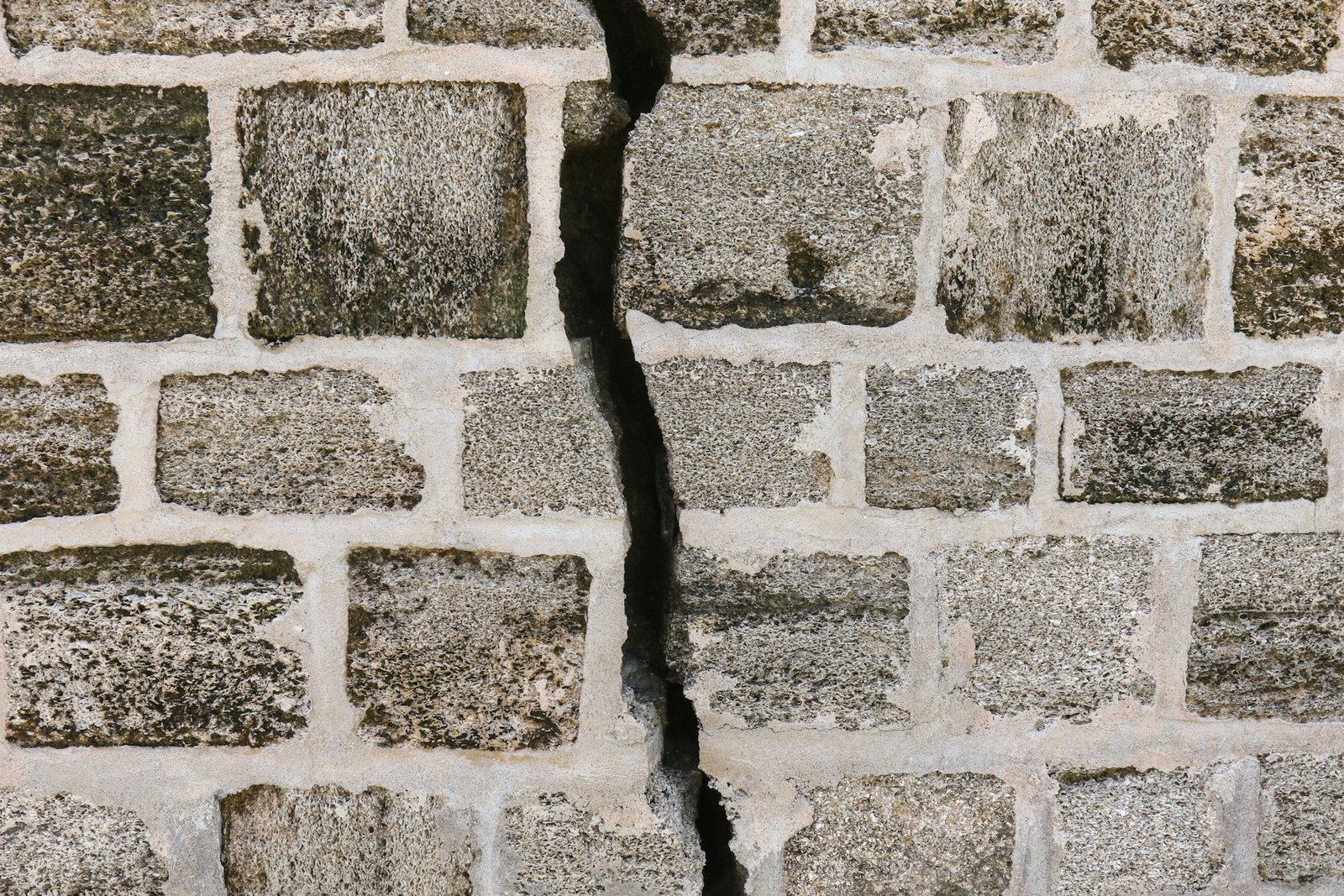
Structural movement is unequivocally the most concerning issue any homebuyer can face. While minor settlement cracks are normal in older properties (particularly Victorian and Edwardian buildings common throughout Wandsworth), active or progressive structural movement represents a critical red flag requiring immediate specialist assessment.
Understanding Structural Movement Types
Not all cracks indicate serious problems. Our surveyors categorize movement into three distinct categories:
| Movement Type | Severity | Characteristics | Action Required |
|---|---|---|---|
| Historic Settlement | Low Risk | Fine hairline cracks (<1mm), stable for years, no recent change | Monitor only; typical in properties over 50 years old |
| Progressive Movement | High Risk | Widening cracks (>3mm), seasonal variation, recent development | Structural engineer report essential before purchase |
| Active Subsidence | Critical Risk | Large stepped cracks (>5mm), distorted openings, ongoing movement | Immediate engineering intervention; consider walking away |
| Failed Previous Repairs | Very High Risk | Evidence of underpinning but continuing movement, recurring cracks | Comprehensive structural assessment; likely major works needed |
Warning Signs in Survey Reports
Critical Structural Movement Indicators:
Detailed Cost Breakdown for Subsidence Repairs
| Repair Type | Typical Cost Range | Timeline | Key Considerations |
|---|---|---|---|
| Minor underpinning (one corner) | £10,000-£15,000 | 4-6 weeks | Usually covered by insurance if active claim |
| Major underpinning (full elevation) | £25,000-£40,000 | 8-12 weeks | Requires structural engineer design, building control |
| Whole property underpinning | £40,000-£75,000+ | 3-6 months | Property likely unmortgageable during works |
| Tree removal/management | £500-£3,000 | Ongoing | May require monitoring before determining if underpinning needed |
| Structural monitoring program | £500-£1,500 | 6-12 months | Necessary to establish if movement is active or historic |
| Structural engineer fees | £800-£2,000 | 2-4 weeks | Essential first step - comprehensive structural assessment |
Typical Causes in Wandsworth Properties
Clay Soil Shrinkage
South West London sits on London Clay, which shrinks during dry periods and expands when wet. This cyclical movement particularly affects Victorian properties with shallow foundations.
Peak Risk: After prolonged summer droughts (like 2018, 2022)
Tree Root Damage
Mature trees (London Planes, Oaks, Willows) within 1.5x their height from buildings can cause subsidence. Wandsworth's tree-lined streets create beautiful areas but significant subsidence risk.
Prevention Cost: £2,000-£8,000 for root barriers
Red Flag #2: Severe Damp and Water Penetration
Damp issues are present in approximately 60% of pre-1950s properties surveyed across Wandsworth. However, there's a critical distinction between minor condensation/surface damp (manageable) and severe penetrating or rising damp requiring expensive remediation (major red flag).
Understanding Different Damp Types
| Damp Type | Severity Level | Common Causes | Typical Repair Cost |
|---|---|---|---|
| Condensation | Low (manageable) | Poor ventilation, inadequate heating, lifestyle factors | £200-£800 (improved ventilation/extraction) |
| Penetrating Damp | Moderate-High | Failed pointing, cracked render, roof defects, defective gutters | £1,500-£5,000 (source repair + replastering) |
| Rising Damp | High | Failed/absent damp proof course, bridged DPC, high ground levels | £2,500-£5,000 (DPC injection/replacement) |
| Wet Rot | High | Prolonged moisture exposure to timber elements | £1,000-£3,000 (timber treatment + replacement) |
| Dry Rot | Critical | Fungal attack (Serpula lacrymans) spreading through masonry | £5,000-£15,000+ (eradication + extensive remediation) |
Critical Damp Red Flags
Severe Damp Issues Requiring Immediate Action:
Red Flag #3: Major Roof Defects
The roof is your property's primary defense against weather, and major roof defects can cause cascading damage throughout the building. In Wandsworth's Victorian and Edwardian properties, original slate or tile roofs are often 100+ years old and approaching end-of-life.
Comprehensive Roof Problem Identification
| Roof Defect | Urgency Level | Typical Lifespan Remaining | Replacement Cost |
|---|---|---|---|
| Minor tile slippage (5-10 tiles) | Low | Can continue 2-5 years with repairs | £500-£1,200 (localized repairs) |
| Sagging roof slopes (rafter failure) | High | Immediate structural risk | £5,000-£10,000 (structural repairs) |
| Multiple missing tiles/slates (20+) | High | Roof covering end-of-life | £8,000-£12,000 (full re-roof) |
| Failed flat roof (standing water) | Moderate-High | Replace within 12 months | £2,500-£5,000 (flat roof replacement) |
| Rotten roof timbers (extensive) | Critical | Immediate safety concern | £8,000-£15,000 (structural + re-covering) |
| Failed valley gutters (lead/fiber cement) | Moderate | Replace within 1-2 years | £1,500-£3,000 per valley |

Victorian Slate Roofs: Common throughout Battersea and Clapham. Original slates often 100+ years old. Budget £10,000-£14,000 for full re-covering on typical terraced house.

Edwardian Tile Roofs: Popular in Putney and Wandsworth Town. Clay tiles typically last 60-80 years. Expect £8,000-£12,000 for full replacement including felt underlay.

Flat Roof Extensions: Common rear extensions in Tooting and Balham. Felt roofs last 10-15 years, fibreglass 20-30 years. Budget £2,500-£5,000 for typical extension re-roofing.
Red Flag #4: Electrical Installation Concerns
Outdated or dangerous electrical installations pose serious safety risks including fire hazards and electrocution. Properties that haven't been rewired in 30+ years require complete electrical replacement.
| Electrical Issue | Risk Level | Urgency | Typical Cost |
|---|---|---|---|
| No recent EICR (Electrical Installation Condition Report) | Moderate | Obtain inspection within 1 month | £200-£400 (inspection only) |
| Old-style fuse boxes (instead of modern RCD consumer units) | High | Replace within 3 months | £400-£800 (consumer unit upgrade) |
| Rubber/fabric wiring (pre-1960s) | Critical | Complete rewire essential | £4,000-£7,000 (full rewire 3-bed house) |
| Aluminum wiring (1960s-1970s) | High | Replace within 12 months | £3,500-£6,000 (full replacement) |
| DIY electrical work (non-compliant) | High | Professional assessment urgent | £1,000-£3,000 (remediation varies) |
Red Flag #5: Asbestos Containing Materials
Properties built or refurbished before 2000 may contain asbestos in various materials. While undisturbed asbestos isn't immediately dangerous, it becomes a serious health hazard during renovation work.
High-Risk Asbestos Locations
- Artex textured ceilings (pre-1985) - £1,000-£2,500 per room removal
- Insulation around boilers and pipes - £500-£1,500 removal
- Corrugated roof sheeting - £2,000-£5,000 removal
- Floor tiles and adhesives - £30-£50 per m² removal
- Garage roof panels - £800-£2,000 removal
Legal Requirements
- Professional asbestos survey essential before renovations - £250-£500
- Licensed contractors required for removal
- Disposal at licensed facilities mandatory
- DIY removal is illegal under Control of Asbestos Regulations 2012
- Insurance-backed guarantees recommended
Red Flags #6-10: Additional Critical Issues
| Red Flag Issue | Why It's Serious | Investigation Cost | Typical Remediation Cost |
|---|---|---|---|
| #6: Japanese Knotweed | Damages foundations, drains, hardstanding. Mortgage lenders often refuse loans if within 7m of buildings. | £150-£300 (specialist survey) | £1,500-£15,000 (treatment or excavation) |
| #7: Defective Drainage | Collapsed drains cause subsidence, damp, foul odors. Often undetectable without CCTV survey. | £200-£400 (CCTV survey) | £3,000-£10,000 (drain replacement) |
| #8: Inadequate Foundations | Pre-1930s properties may have shallow foundations causing long-term stability problems. | £800-£1,500 (structural engineer) | £10,000-£50,000 (underpinning) |
| #9: Unsafe Chimney Breasts | Removed ground floor breasts without supporting upper floors pose collapse risk. Surprisingly common in Victorian terraces. | £500-£800 (structural assessment) | £2,000-£5,000 per breast (steel beam installation) |
| #10: Multiple DIY Alterations | Work without building control creates insurance, mortgage, and resale difficulties. May require expensive remediation for compliance. | £300-£600 (building control retrospective inspection) | £5,000-£20,000+ (varies significantly) |
How to Respond to Red Flags in Your Survey
📋 Step-by-Step Action Plan
Price Renegotiation Strategies
| Issue Severity | Recommended Approach | Typical Reduction Achieved | Success Rate |
|---|---|---|---|
| Minor Issues (<£3,000 total) | Proceed without renegotiation; factor into renovation budget | £0 | N/A |
| Moderate Issues (£3,000-£8,000) | Request 50-75% of repair costs from asking price | £2,000-£5,000 | 65% successful |
| Significant Issues (£8,000-£20,000) | Request 75-100% of repair costs plus 10% contingency | £6,000-£15,000 | 55% successful |
| Major Issues (£20,000-£50,000+) | Request full repair cost or consider withdrawing | £15,000-£40,000 or sale collapses | 40% successful |
When to Walk Away from a Purchase
⚠️ Consider Withdrawing If:
- Active subsidence requiring underpinning over £40,000
- Property unmortgageable due to structural issues or Japanese knotweed
- Total repair costs exceed 15% of purchase price
- Seller refuses to negotiate on serious defects
- Multiple critical issues indicating systematic neglect (repair costs over £60,000)
- Specialist reports reveal problems more serious than initial survey indicated
- Your mortgage lender refuses to proceed based on survey findings
Real-World Wandsworth Case Studies
Case Study 1: Battersea Victorian Terrace - Subsidence Discovery
Purchase Price: £875,000 | Survey Cost: £650 (Level 3)
Red Flags Identified:
- Serious stepped cracking to rear elevation (8mm width)
- Diagonal cracking around first-floor windows
- Distorted rear door frame
Action Taken: Commissioned structural engineer report (£1,200) revealing active subsidence caused by nearby oak tree affecting foundations.
Outcome: Buyer renegotiated purchase price down to £825,000 (£50,000 reduction) reflecting £35,000 underpinning costs plus contingency. Work completed under insurance claim after purchase. Property now stable and worth £920,000 (2025 valuation).
Case Study 2: Putney Semi-Detached - Electrical Rewiring Required
Purchase Price: £650,000 | Survey Cost: £550 (Level 2)
Red Flags: 1970s aluminum wiring throughout, old fuse box, no recent EICR, evidence of DIY alterations
Action: NICEIC inspection (£280) confirmed complete rewire necessary within 6 months for safety/insurance compliance
Outcome: Seller agreed £5,000 price reduction (from £650,000 to £645,000). Buyer completed full rewire after purchase for £5,500. Total cost £6,780 but avoided major safety risk.
Frequently Asked Questions
Approximately 25-30% of building surveys in Wandsworth identify "Category 3" defects (serious issues requiring urgent attention or affecting purchase decision). However, 87% find at least one "Category 2" defect (defects requiring future repair/maintenance). This is why professional surveys are essential - they identify problems before you're legally committed to purchase.
It depends on three key factors: (1) Total cost of remediation relative to purchase price (avoid if exceeding 15%), (2) Whether issues affect mortgageability (walk away if unmortgageable), and (3) Seller's willingness to negotiate. Multiple issues may indicate poor maintenance suggesting hidden problems. Proceed only if you secure substantial price reduction and have full understanding of all repair costs.
For moderate issues (£3,000-£8,000 repairs), request 50-75% of repair costs. For significant issues (£8,000-£20,000), request 75-100% of costs plus 10% contingency. For major issues (£20,000+), request full repair cost. Support requests with contractor quotations and specialist reports. Approximately 55-65% of reasonable renegotiation requests succeed in Wandsworth's market.
Surveyors carry professional indemnity insurance for genuine negligence claims. However, successful claims are rare because: (1) Surveyors use appropriate disclaimers, (2) Many areas are inaccessible during surveys (behind walls, under floors), (3) Limitations are clearly stated in reports. Claims succeed only if surveyor failed to identify obvious, visible defects that any competent surveyor should have spotted. Legal advice essential before pursuing claims.
Legally, you can renegotiate or withdraw until exchange of contracts (when legally bound). Practically, act within 7-10 days of receiving survey to maintain transaction momentum. Commission specialist reports quickly, obtain repair quotations, and present renegotiation request professionally with supporting evidence. Delayed renegotiations (3+ weeks) often fail as sellers assume you've accepted the price.
Commission specialist reports when: (1) Surveyors recommend them in report, (2) Potential repair costs exceed £8,000, (3) Issues affect structural integrity or safety, (4) Your mortgage lender requires them, or (5) You're considering withdrawing from purchase. Specialist reports (£200-£1,500) provide detailed analysis, accurate costings, and support renegotiation requests. Don't skip this step for major issues - it's essential due diligence.
No - many Victorian properties in Battersea, Clapham, and Wandsworth are structurally sound and well-maintained. However, they do require specific considerations: expect some historic settlement cracking (normal), check for adequate damp proofing (often retrofitted), assess roof condition (many are 100+ years old), verify electrical rewiring (essential if pre-1980s), and check for appropriate modern foundations under extensions. Well-maintained Victorian properties make excellent homes - just ensure thorough pre-purchase surveys.
You have three options: (1) Proceed anyway if you love the property and can afford repairs - ensure adequate contingency budget, (2) Withdraw from purchase - survey costs are minor compared to future repair expenses, or (3) Final negotiation attempt - clearly state you'll withdraw unless seller meets halfway. In sellers' markets, some refuse renegotiation knowing another buyer will proceed. Never buy a problem property out of emotional attachment - properties are investments requiring rational assessment.
Protect Your Property Purchase with Expert RICS Survey
Don't risk buying a property with hidden defects. Wandsworth Surveyors provide comprehensive Level 2 and Level 3 building surveys identifying critical red flags before you're legally committed to purchase.
RICS Qualified Surveyors | Comprehensive Reports | Same-Day Booking Available
Book Your Survey Today