🏛️ Quick Overview
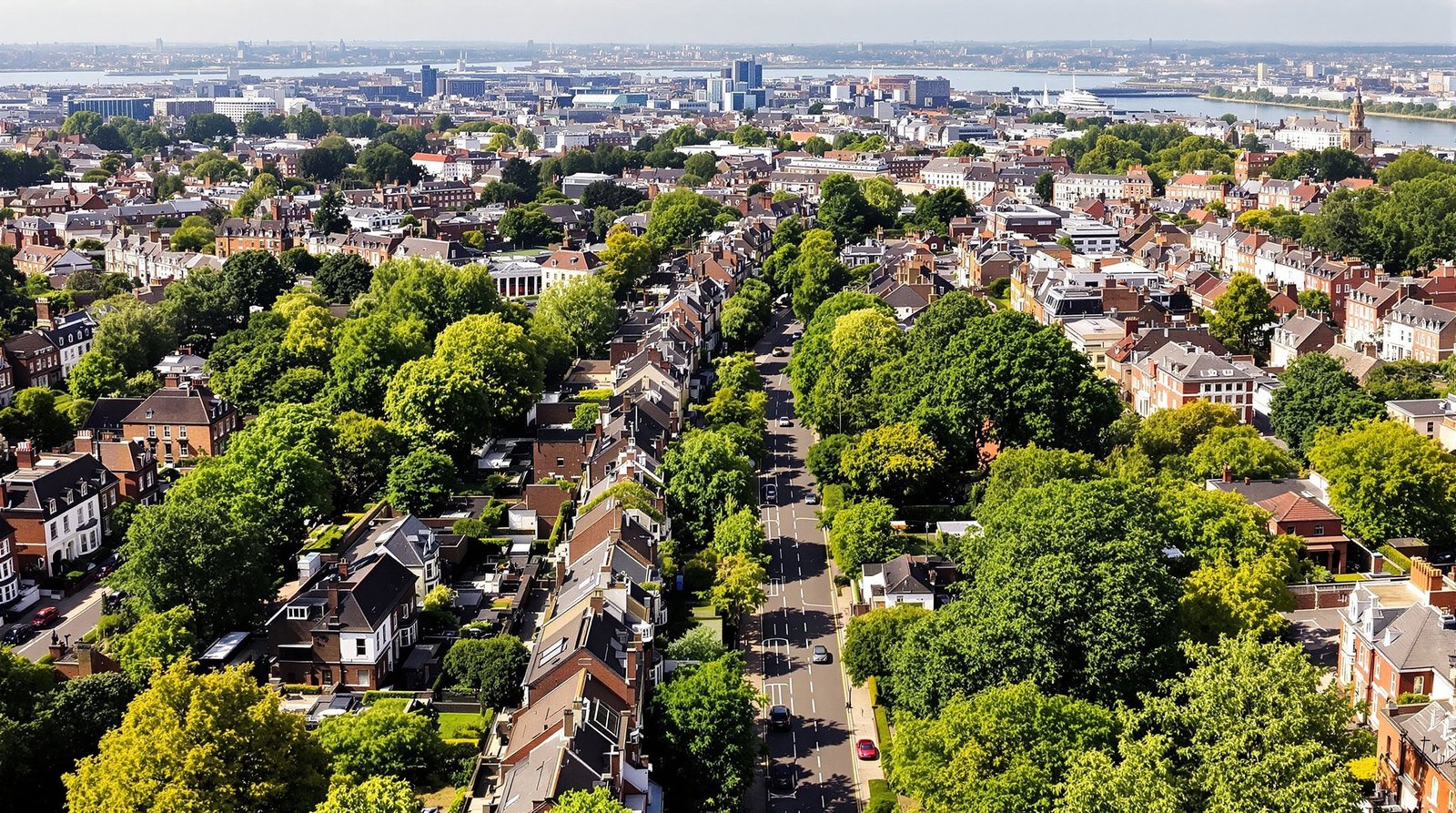
Victorian properties dominate Wandsworth's housing stock, particularly in Battersea, Putney, Balham, and Tooting, built between 1837-1901. Wandsworth Surveyors conduct hundreds of surveys on Victorian terraced houses annually, helping buyers understand typical period property issues, necessary repairs, and realistic maintenance budgets. This comprehensive expert guide explains common structural problems in Victorian houses, warning signs to watch for, typical repair costs, maintenance strategies, and why RICS Level 3 Building Surveys are essential for period properties across South West London.
Understanding Victorian Construction Methods
Victorian builders used construction techniques very different from modern methods. Understanding these traditional approaches helps you appreciate both the strengths and weaknesses of period properties, enabling informed maintenance decisions and realistic budgeting.
Characteristic Victorian Construction Features
- Solid brick walls: 9-inch (early Victorian) or 13-inch (late Victorian) solid brickwork with no cavity. Good thermal mass but poor insulation and vulnerable to penetrating damp.
- Lime mortar: Flexible, breathable mortar allowing moisture movement. Softer than modern cement, requiring periodic repointing but protecting brickwork.
- Slate roofs: Welsh slate typically lasting 120-150 years. Many original roofs now approaching or exceeding design life.
- Suspended timber floors: Ground floors of timber joists on sleeper walls, allowing underfloor ventilation but vulnerable to rot and pest damage.
- Sash windows: Single-glazed timber sliding sash windows with beautiful proportions but poor thermal performance and high maintenance needs.
- Shallow foundations: Minimal foundation depth (often just 2-3 feet) on London Clay, making Victorian houses particularly vulnerable to ground movement.
- Traditional drainage: Clay pipes often damaged by tree roots, ground movement, or simply age after 150+ years of service.
- No damp proofing: Built without damp proof courses or membranes, relying on good detailing and maintenance to manage moisture.
These traditional methods create solid, characterful homes that have survived 150+ years, but they require informed maintenance and occasional significant investment to remain in good condition.
Common Victorian House Defects: Frequency and Severity Analysis
| Defect Type | Occurrence Rate | Typical Severity | Average Repair Cost | Urgency Level |
|---|---|---|---|---|
| Roof issues (slates/valleys) | 75-85% | Moderate to High | £8,000-£18,000 | High (prevent water damage) |
| Damp issues (rising/penetrating) | 60-70% | Moderate | £2,500-£8,000 | Medium (progressive damage) |
| External repointing needed | 70-80% | Low to Moderate | £5,000-£15,000 | Medium (gradual deterioration) |
| Outdated electrics | 50-60% | High (safety risk) | £4,000-£7,000 | High (fire/safety hazard) |
| Sash window repairs needed | 65-75% | Moderate | £800-£1,500 per window | Medium (energy efficiency) |
| Chimney stack issues | 40-50% | Moderate to High | £1,500-£5,000 | Medium to High (safety) |
| Structural movement (minor) | 80-90% | Low (historic) | Monitoring only | Low (if historic/stable) |
| Subsidence (active) | 5-10% | Very High | £15,000-£50,000+ | Very High (structural risk) |
| Floor timber defects | 30-40% | Moderate | £2,000-£6,000 | Medium (structural integrity) |
| Drainage issues | 35-45% | Moderate | £2,000-£8,000 | High (can cause subsidence) |
1. Subsidence and Structural Movement: The Critical Issue
Structural movement is the most serious issue affecting Victorian houses. While some historic settlement is normal and acceptable in 150-year-old properties, active ongoing movement requires investigation and potentially expensive remedial work.
Understanding Movement Types
✅ Normal Historic Settlement
- Fine hairline cracks (less than 1-2mm)
- Cracks following mortar joints
- No recent changes or progression
- Stable for many years
- Doors and windows function normally
- Cracks can be decorated over
- No structural concerns
- Typical in properties over 100 years old
⚠️ Active Structural Movement Warning Signs
- Stepped cracking in external brickwork
- Cracks wider than 5mm and widening
- Recent appearance or noticeable progression
- Diagonal cracking at 45° angles
- Doors and windows sticking or distorted
- Bulging or leaning walls
- Separation between walls and floors
- Fresh cracks after recent redecoration
Common Causes of Victorian House Subsidence
| Cause | Mechanism | Risk Factors | Solution | Typical Cost |
|---|---|---|---|---|
| Clay soil shrinkage | London Clay contracts during dry periods, especially droughts | South-facing aspects, climate change increasing drought frequency | Underpinning, moisture management, monitoring | £15,000-£50,000 |
| Tree root damage | Large trees extract moisture from soil, causing shrinkage and heave | Oak, willow, poplar within 20m of property, clay soils | Tree management, root barriers, underpinning if severe | £2,000-£30,000 |
| Drainage leaks | Water washes away supporting soil or causes clay softening | Original Victorian drains 150+ years old, tree root intrusion | Drain repair/replacement, underpinning if soil removed | £3,000-£25,000 |
| Mining/ground cavities | Historical underground works or natural voids collapse | Areas with mining history, chalk geology, underground rivers | Ground stabilization, specialist foundation work | £20,000-£80,000+ |
| Inadequate foundations | Victorian shallow foundations insufficient for loads or ground conditions | Extensions added without proper support, poor original design | Underpinning, foundation reinforcement | £12,000-£40,000 |
| Adjacent excavation | Neighbor's basement or foundation work affects party wall support | Terrace properties, areas with basement conversions popular | Underpinning, structural support, party wall resolution | £15,000-£45,000 |
Investigation and Monitoring
If active movement is suspected, Wandsworth Surveyors recommend this systematic approach:
📐 Structural Investigation Protocol
RICS Level 3 Building Survey by experienced chartered surveyor. Identifies all cracks, assesses severity, recommends monitoring or immediate structural engineer referral.
Install crack monitoring gauges at key locations. Monitor for 6-12 months through seasonal variations. Determine whether movement is active, seasonal, or historic.
If monitoring indicates active movement, commission structural engineer investigation. Includes trial pits, foundation inspection, soil analysis, engineering calculations.
Implement engineer's recommendations: underpinning, drainage repairs, tree management, heave prevention, structural repairs.
Continue monitoring after repairs to confirm stability achieved. Essential for insurance purposes and future sale evidence.
2. Damp Problems: The Victorian House Curse
Damp issues affect the majority of Victorian properties due to solid wall construction, lack of original damp proofing, and age-related deterioration. Understanding damp types helps target appropriate remedial measures.
Complete Damp Problem Analysis
| Damp Type | Causes | Symptoms | Treatment | Cost Range |
|---|---|---|---|---|
| Rising Damp | Failed or absent DPC, bridged DPC, high external ground levels | Tide marks up to 1m high, salt damage, peeling paint, rotting skirting boards | Chemical DPC injection, replastering with salt-retardant render, lower external levels | £2,500-£6,000 |
| Penetrating Damp | Porous brickwork, failed pointing, cracked render, defective gutters | Damp patches on external walls, worse after rain, interior wall staining | Repointing, render repair, gutter repair/replacement, wall water repellent treatment | £3,000-£12,000 |
| Condensation | Poor ventilation, inadequate heating, solid walls, lifestyle factors | Black mold on cold surfaces (walls, windows), musty smell, widespread distribution | Improved ventilation, secondary glazing, better heating, dehumidification | £1,000-£5,000 |
| Basement/Cellar Damp | No tanking, high water table, hydrostatic pressure, poor drainage | Permanently damp walls, efflorescence, water seepage, structural damage | Tanking system installation, sump pump, external waterproofing, improved drainage | £5,000-£25,000 |
| Roof Leaks | Failed slates, damaged valleys, defective flashings, gutter overflow | Ceiling stains, loft dampness, wall dampness at roof level | Roof repairs, valley replacement, new flashings, gutter maintenance | £1,500-£18,000 |
| Plumbing Leaks | Failed pipes, heating leaks, bathroom seals, concealed pipework failures | Localized damp patches, water staining, increased water bills | Plumbing repairs, leak detection survey, bathroom resealing | £500-£5,000 |
Damp Treatment Priority Matrix
Not all damp problems require immediate action. Prioritize treatments based on damage severity and progression risk:
🚨 Immediate Action Required
Water ingress causing immediate damage to ceilings, walls, and contents. Can quickly lead to structural timber decay and electrical hazards. Address within days.
External walls saturated, internal damage spreading, risk of structural timber rot. Address within 1-3 months.
Continuous water loss causing damage, high bills, potential for catastrophic burst pipes. Repair immediately.
⏰ Address Within 6-12 Months
Causing gradual damage to plasterwork and decorations but not immediately structural. Plan treatment before next major redecoration.
Allowing gradual water penetration and frost damage. Schedule repointing before winter to prevent accelerated deterioration.
3. Roof Issues: Major Capital Expenditure Ahead
Original Victorian slate roofs are now 120-180 years old – many approaching or exceeding their design life. Roof replacement represents one of the largest single costs facing Victorian house owners.
Victorian Roof Repair and Replacement Costs
| Roof Work Type | When Needed | Typical Cost (3-bed terrace) | Lifespan After Work |
|---|---|---|---|
| Minor slate repairs | 5-10 slipped/missing slates | £400-£1,200 | Temporary fix - 5-10 years |
| Lead valley replacement | Failed valley causing leaks | £1,500-£3,500 per valley | 50-80 years |
| Hip/ridge tile rebedding | Loose/missing ridge tiles | £800-£2,000 | 20-30 years |
| Chimney repointing | Deteriorated mortar, water ingress | £1,000-£2,500 per stack | 30-50 years |
| Flashings replacement | Failed lead flashings at abutments | £1,200-£3,000 | 50-80 years |
| Part roof re-covering | One slope failed, others serviceable | £4,000-£8,000 | 80-100 years (new slates) |
| Complete roof replacement | Original roof at end of life, multiple slopes failing | £12,000-£20,000 | 100-120 years (new slates) |
| Roof replacement + insulation | Full upgrade for energy efficiency | £15,000-£25,000 | 100-120 years |
| Roof timbers partial replacement | Localized rot from long-term leaks | £3,000-£8,000 | Depends on remaining roof life |
| Roof timbers major replacement | Widespread timber decay | £8,000-£18,000 | 80-100 years |
Roof Condition Assessment Checklist
🔍 Key Roof Inspection Points
From ground level: Check for slipped/missing slates, sagging roof lines, chimney condition, gutter condition, obvious vegetation growth.
Check roof timbers for rot/beetle attack, look for daylight through slates, examine valleys for water staining, assess insulation levels.
Ceiling stains indicating past/present leaks, damp patches in top floor rooms, condensation in roof space suggesting ventilation issues.
Leaning stacks, spalling brickwork, missing/damaged pots, pointing condition, flaunching condition around pots.
Check for proper fall, blockages, leaking joints, separation from walls, adequate capacity for roof area.
4. Electrical Systems: Safety First
Many Victorian properties retain dangerously outdated electrical installations. Electrical safety should be a top priority for all Victorian house buyers.
Electrical Installation Age and Safety Assessment
| Installation Era | Identifying Features | Safety Status | Action Required |
|---|---|---|---|
| Pre-1960s | Rubber/fabric cables, round pin sockets, fuse wire, no earthing | 🔴 Dangerous - Immediate Replacement | Complete rewire essential - £5,000-£8,000 |
| 1960s-1980s | Old fuse box, PVC cables (may be deteriorating), no RCD protection | 🟠 Unsafe - Urgent Upgrade Required | Full rewire recommended - £4,000-£7,000 |
| 1980s-2000 | Early consumer units, limited circuits, no RCD on all circuits | 🟡 Outdated - Upgrade Advisable | Consumer unit upgrade + testing - £800-£2,000 |
| 2000-2015 | Modern consumer unit, some RCD protection, may lack 17th Edition compliance | 🟢 Generally Safe - Testing Needed | EICR testing, minor upgrades - £200-£800 |
| Post-2015 | 18th Edition consumer unit, full RCD/RCBO protection, modern standards | ✅ Safe - Compliant | Regular testing every 5-10 years - £200-£350 |
Rewiring Victorian Houses: What to Expect
Complete rewiring is disruptive but essential for safety. Understanding the process helps you plan and budget appropriately:
- Duration: 5-10 working days for typical 3-bedroom terrace
- Disruption: Carpets lifted, floorboards raised, channeling walls for cables, redecoration needed
- Cost: £4,000-£7,000 for 3-bed terrace (more if extensive making good required)
- Building Control: Required notification and inspection
- Certificates: Electrical Installation Certificate provided on completion
- Testing: First retest recommended after 5 years, then every 10 years
5. Windows: Character vs. Efficiency
Victorian sash windows are beautiful but high-maintenance and thermally inefficient. Owners face difficult decisions balancing character retention with modern performance standards.
Victorian Sash Window Options: Comprehensive Comparison
| Option | Benefits | Drawbacks | Cost per Window | Lifespan |
|---|---|---|---|---|
| Sash Restoration | Retains original features, authentic character, conservation area acceptable | Still single-glazed, high maintenance ongoing, expensive, poor U-value | £800-£1,500 | 20-30 years |
| Slim Double-Glazed Sashes | Better thermal performance, retains appearance, reduces noise | Very expensive, may not suit all properties, planning consent needed | £1,500-£2,500 | 25-35 years |
| Secondary Glazing | Affordable, reversible, good thermal/acoustic improvement, retains originals | Reduces natural light, cleaning difficulty, may affect aesthetics | £300-£700 | 15-25 years |
| UPVC Sash Replacements | Low maintenance, good thermal performance, affordable | Rarely acceptable appearance, planning issues, devalues period properties | £400-£800 | 20-30 years |
| Do Nothing (accept single glazing) | Minimal cost, retains authenticity fully | High heating costs, draughts, condensation, noise transmission | £0-£200 (repairs only) | Variable |
Wandsworth Surveyors' Recommendation: For most Victorian properties, we recommend professional sash restoration combined with high-quality secondary glazing. This preserves character while significantly improving thermal performance at reasonable cost (£1,100-£2,200 per window total).
Complete Victorian House Maintenance Budget Planning
Realistic budgeting prevents financial shocks and ensures you can maintain your Victorian property properly. Here's our comprehensive maintenance budget framework:
10-Year Victorian House Maintenance Budget Projection
| Maintenance Category | Years 1-3 | Years 4-7 | Years 8-10 | 10-Year Total |
|---|---|---|---|---|
| Annual routine maintenance | £2,000-£3,000/year | £2,200-£3,300/year | £2,500-£3,600/year | £22,000-£32,000 |
| External redecoration | - | £4,000-£7,000 (Year 5) | - | £4,000-£7,000 |
| Roof maintenance/repairs | £1,500-£3,000 | £2,000-£5,000 | £3,000-£8,000 | £6,500-£16,000 |
| Window repairs/maintenance | £1,000-£2,000 | £1,500-£3,000 | £2,000-£4,000 | £4,500-£9,000 |
| Heating system | £500-£1,000 | £3,500-£6,000 (replacement) | £500-£1,000 | £4,500-£8,000 |
| Damp treatments | £2,000-£5,000 | £1,000-£2,000 | £500-£1,000 | £3,500-£8,000 |
| Drainage works | £1,000-£2,000 | £2,000-£5,000 | £1,000-£2,000 | £4,000-£9,000 |
| Emergency repairs fund | £1,000/year | £1,000/year | £1,000/year | £10,000 |
| TOTAL 10-YEAR PROJECTED COSTS | £59,000-£99,000 | |||
| Average Annual Budget Required | £5,900-£9,900 | |||
Important Note: These figures assume no major structural issues (subsidence) or complete roof replacement needed. If major works are required, add:
- Full roof replacement: +£12,000-£20,000
- Complete rewiring: +£4,000-£7,000
- Subsidence repairs: +£15,000-£50,000
- Full external repointing: +£8,000-£15,000
Why RICS Level 3 Building Surveys Are Essential for Victorian Properties
Wandsworth Surveyors strongly recommend comprehensive Level 3 Building Surveys for all Victorian house purchases. Basic mortgage valuations identify only obvious serious defects and provide no detailed condition assessment.
✅ Level 3 Survey Benefits for Victorian Houses
- Comprehensive inspection of all accessible areas
- Detailed analysis of Victorian construction methods
- Expert assessment of structural movement significance
- Identification of hidden defects in period properties
- Repair cost estimates for budget planning
- Prioritized repair schedule (urgent vs. long-term)
- Advice on maintaining period property features
- Negotiating leverage for price reductions
- Peace of mind about your major investment
- Protection from expensive post-purchase surprises
❌ Basic Mortgage Valuation Limitations
- Brief inspection (20-30 minutes only)
- No detailed condition assessment provided
- Only obvious serious defects noted
- No detailed advice on repairs needed
- No cost estimates for remedial works
- Protects lender interests, not yours
- Won't identify hidden Victorian defects
- No analysis of structural movement
- Leaves you exposed to expensive surprises
- Insufficient for informed purchase decisions
Investment Justification: Level 3 surveys cost £800-£1,500 but typically save £10,000-£50,000 by identifying serious issues before purchase, enabling price renegotiation or informed withdrawal decisions.
Frequently Asked Questions About Victorian House Problems
It depends entirely on the extent, cause, and cost of addressing the problems. Many Victorian houses show minor historic settlement which is completely normal and acceptable in 150-year-old properties. This typically appears as fine hairline cracks and doesn't affect structural integrity or require remedial work.
However, active ongoing movement indicated by widening cracks, stepped external cracking, or distorted doors/windows requires serious consideration. Before committing, you should:
- Commission a RICS Level 3 Building Survey to assess severity properly
- Obtain a structural engineer's report if movement is significant
- Get detailed cost estimates for necessary remedial works
- Negotiate a substantial price reduction reflecting repair costs
- Understand the impact on insurance and future saleability
- Consider whether you have budget for major works alongside the purchase
Many Victorian houses with structural issues make excellent purchases if priced appropriately. The key is understanding what you're buying and ensuring the purchase price reflects necessary works. Wandsworth Surveyors can advise on severity and realistic repair costs to inform your decision.
Yes, significantly. Victorian houses typically cost 50-100% more to maintain annually than equivalent modern properties. Based on our extensive survey experience in Wandsworth, expect:
- Annual maintenance budget: 1.5-2% of property value vs. 1% for modern homes
- Heating costs: 30-50% higher due to solid walls and single glazing
- Insurance premiums: 10-20% higher for period properties
- Major works cycles: More frequent and more expensive
However, Victorian houses offer significant compensating benefits:
- Superior build quality with solid construction lasting 200+ years
- Generous room sizes, high ceilings, and better natural light
- Characterful period features highly valued in the market
- Excellent capital appreciation in desirable areas
- Better locations (established neighborhoods with mature infrastructure)
For many buyers, the character, space, and solid construction make Victorian houses excellent long-term investments despite higher running costs. The key is budgeting realistically from day one.
Yes, but it requires careful approach to avoid causing damp problems. Victorian solid walls are breathable – moisture moves through them naturally. Traditional insulation methods can trap moisture, causing serious issues.
Effective insulation strategies for Victorian houses:
- Loft insulation: Most cost-effective (£400-£800). Use breathable materials, maintain roof ventilation. Achieves 25-30% heat loss reduction.
- Internal wall insulation: Effective but reduces room sizes (£4,000-£12,000). Use breathable systems like wood fiber boards. Provides 35-40% heat loss reduction from walls.
- Secondary glazing: Affordable and effective (£300-£700 per window). Dramatically reduces heat loss through single-glazed windows (20-25% of total heat loss).
- Floor insulation: Insulate between joists from below or lift floors (£2,000-£5,000). Prevents 10-15% heat loss through floors.
- Draught proofing: Cost-effective quick win (£500-£1,500). Professional sash window draught proofing particularly effective.
Avoid: External wall insulation on solid walls (traps moisture, ruins appearance). Standard cavity wall insulation methods (inappropriate for solid walls). Non-breathable foam insulations (cause condensation and damp).
With appropriate measures, Victorian houses can achieve reasonable energy efficiency (EPC rating C) while preserving their breathing characteristics and avoiding damp issues. Consult specialists experienced with period properties before making decisions.
Original Victorian slate roofs were built to last 120-150 years with proper maintenance. Many roofs in Wandsworth, Battersea, Putney, and Balham are now 140-180 years old – well beyond their original design life.
Roof lifespan depends on several factors:
- Slate quality: Welsh slate (most common) lasts longest. Inferior slates may have failed decades ago.
- Maintenance history: Well-maintained roofs with timely minor repairs last significantly longer.
- Exposure: South-facing roofs deteriorate faster. Sheltered roofs last longer.
- Original workmanship: Quality of original installation affects longevity dramatically.
- Timber condition: Rotten timbers from past leaks shorten effective roof life.
Signs your Victorian roof needs replacement:
- Multiple slates slipping or breaking regularly (20+ per year)
- Visible sagging between rafters
- Widespread nail sickness (nails corroded, slates loose)
- Delaminating slates (splitting into layers)
- Timber defects requiring extensive replacement
- Multiple valleys failing simultaneously
Budget £12,000-£20,000 for complete roof replacement on a typical 3-bedroom Victorian terrace. The new roof should then last 100-120 years with proper maintenance – likely outlasting most modern house roofs.
When budget is limited, prioritize repairs preventing further damage or addressing safety risks:
Priority 1 – Immediate (address within 1-3 months):
- Active roof leaks: Preventing water damage to structure and contents
- Dangerous electrics: Fire risk and safety hazard requiring urgent attention
- Active subsidence: Structural integrity and property value protection
- Defective drainage: Can cause subsidence if left unaddressed
- Chimney stability issues: Falling masonry risk to life and property
Priority 2 – Important (address within 6-12 months):
- Failed gutters/downpipes: Causing damp and potential structural damage
- Severe penetrating damp: Progressive damage to walls and timbers
- Deteriorated external pointing: Frost damage and water penetration worsening
- Floor timber defects: Safety and structural concerns
- Heating system failures: Winter comfort and pipe burst protection
Priority 3 – Desirable (address within 1-3 years):
- Window restoration: Improving efficiency and preventing further deterioration
- Rising damp treatment: Cosmetic damage but not immediately structural
- Insulation improvements: Comfort and running cost reduction
- External redecoration: Aesthetic improvement and protection
A comprehensive RICS Level 3 survey will provide a detailed prioritized repair schedule with cost estimates, enabling you to plan expenditure strategically over several years while protecting your property investment.
Yes, Victorian houses in desirable areas like Wandsworth, Battersea, Putney, and Balham consistently demonstrate excellent capital appreciation despite higher maintenance costs. Several factors support strong resale values:
- Limited supply: No more Victorian houses being built; increasing scarcity drives value
- Desirable characteristics: Generous room sizes, high ceilings, period features highly valued
- Established locations: Mature neighborhoods with excellent infrastructure and amenities
- Solid construction: Buyers recognize build quality superior to many modern homes
- Conversion potential: Scope for extensions, loft conversions, basement development
- Character appeal: Unique features impossible to replicate in new builds
Our analysis shows well-maintained Victorian properties in South West London have appreciated 180-250% over the past 15 years, significantly outperforming many modern alternatives.
Maximizing Victorian house resale value:
- Keep maintenance current – don't defer major works
- Retain period features while upgrading infrastructure
- Document all major works with guarantees and certificates
- Address structural issues properly with engineer involvement
- Improve energy efficiency sympathetically
- Maintain good decorative order
Victorian houses remain excellent long-term investments for buyers willing to maintain them properly and budget realistically for periodic major works.
Always use lime mortar for Victorian brickwork – never cement. This is one of the most important maintenance decisions affecting your property's long-term condition.
Why lime mortar is essential:
- Breathability: Allows moisture to evaporate naturally through mortar rather than through bricks
- Flexibility: Accommodates minor building movement without cracking
- Brick protection: Sacrificial material that erodes before damaging bricks
- Reversibility: Can be removed and replaced without brick damage
- Authenticity: Matches original construction methods and appearance
- Moisture management: Part of Victorian wall system designed for solid wall construction
Why cement repointing damages Victorian houses:
- Harder than bricks, forcing moisture through brick faces causing spalling (face deterioration)
- Traps moisture behind impermeable barrier, causing internal damp
- Creates stress concentrations leading to brick cracking
- Prevents natural moisture movement essential for solid walls
- Expensive to remove without damaging brickwork
- Visible aesthetic mismatch with original lime mortar
Lime repointing costs: £50-£100 per square meter (£5,000-£15,000 for full house). More expensive than cement but essential for proper Victorian building maintenance.
Many Victorian houses in Wandsworth have suffered serious damage from inappropriate cement repointing requiring extensive brick replacement. Always use specialist contractors experienced with period property lime work. Wandsworth Surveyors can recommend reputable lime mortar specialists.
For Victorian properties, we strongly recommend RICS Level 3 Building Surveys (the most comprehensive option). Expect to pay £800-£1,500 depending on property size and value.
A comprehensive Victorian house Level 3 survey should include:
- Thorough inspection: 3-5 hours on site examining all accessible areas
- Structural assessment: Detailed analysis of all cracks, movement, and structural concerns
- Construction analysis: Understanding of Victorian building methods and typical defects
- Roof inspection: External and internal examination of roof condition and remaining life
- Damp investigation: Assessment of all damp issues with identification of causes
- Services review: Examination of electrical, heating, plumbing systems
- Detailed report: 40-60 page document with photographs and clear explanations
- Repair cost estimates: Budget figures for all significant defects identified
- Prioritized schedule: Urgent vs. long-term repairs clearly distinguished
- Maintenance advice: Specific guidance on maintaining your period property
- Post-survey support: Access to surveyor for follow-up questions
What survey costs include:
- Site inspection time and travel
- Report preparation (typically 6-10 hours)
- Professional indemnity insurance
- RICS regulation and quality standards
- Surveyor's expertise and local knowledge
Survey cost justification: While £800-£1,500 seems expensive, surveys typically save £10,000-£50,000 by:
- Identifying serious issues before purchase enabling price renegotiation
- Preventing purchase of fundamentally flawed properties
- Providing accurate repair budgets preventing financial shocks
- Highlighting urgent safety issues requiring immediate attention
For Victorian properties, the survey investment represents excellent value protection for your major purchase. Don't rely on basic mortgage valuations – they're inadequate for period properties.
Conclusion: Victorian Houses Are Excellent Investments with Informed Maintenance
Victorian houses offer character, space, solid construction, and excellent long-term investment potential. Understanding typical period property issues, realistic repair costs, and maintenance requirements enables informed purchase decisions and successful long-term ownership.
The key to successful Victorian house ownership is:
- Buy with eyes wide open: Commission comprehensive RICS Level 3 survey before purchase
- Budget realistically: Plan for 1.5-2% annual maintenance plus periodic major works
- Maintain proactively: Address issues promptly before they become expensive problems
- Use appropriate techniques: Lime mortar, breathable materials, sympathetic improvements
- Retain character: Balance modern performance with period feature preservation
- Think long-term: Victorian houses reward patient owners with excellent appreciation
Wandsworth Surveyors' experienced chartered surveyors conduct detailed Level 3 Building Surveys on Victorian properties throughout Battersea, Putney, Balham, and Tooting. Our comprehensive reports identify all defects, provide realistic repair cost estimates, prioritize works appropriately, and offer expert advice on maintaining your period property successfully.
Don't buy a Victorian house without a proper RICS Level 3 survey from chartered surveyors who understand period property construction, common defects, and appropriate repair techniques. The survey investment protects you from expensive problems, enables informed negotiation, and provides confidence in your purchase decision.
With informed maintenance and realistic budgeting, Victorian houses offer superb homes combining character, space, solid construction, and excellent long-term value in some of London's most desirable neighborhoods.
Buying a Victorian Property?
Contact Wandsworth Surveyors for comprehensive RICS Level 3 Building Surveys on Victorian houses. Our experienced chartered surveyors identify all structural issues, assess period property defects accurately, provide realistic repair cost estimates, and deliver clear advice on Victorian house maintenance. Protect your investment with expert professional guidance from local specialists.
Book Your Victorian House Survey